Top Solutions for Critical Protection Solutions

Protecting critical infrastructure is essential for maintaining the stability and security of our societies. As we face increasing threats from cyberattacks, natural disasters, and physical sabotage, it becomes clear that robust protection strategies are no longer optional. We must adopt comprehensive solutions that safeguard vital systems such as energy grids, transportation networks, water supplies, and communication channels. In this post, we will explore the top solutions for critical protection solutions that can help governments, strategic investors, and industry partners build resilient infrastructure and secure the future.
Understanding the Importance of Critical Protection Solutions
Critical infrastructure forms the backbone of modern life. When these systems fail or are compromised, the consequences can be severe, ranging from economic losses to threats to public safety. For example, a cyberattack on a power grid can cause widespread blackouts, affecting hospitals, businesses, and homes. Similarly, disruptions in water treatment facilities can lead to health crises.
To address these risks, we need to implement solutions that not only prevent attacks but also ensure rapid recovery. This involves a combination of physical security, cybersecurity, and operational resilience. By focusing on these areas, we can create infrastructure that withstands challenges and continues to serve communities effectively.
Key Components of Effective Critical Protection Solutions
When designing protection strategies, it is crucial to consider multiple layers of defense. Here are some of the most important components:
1. Risk Assessment and Management
Before implementing any solution, we must understand the specific risks facing each infrastructure asset. This involves identifying vulnerabilities, potential threats, and the impact of possible disruptions. Risk assessments help prioritize resources and tailor protection measures to the most critical areas.
For example, a coastal power plant may face higher risks from hurricanes and flooding, requiring specialized physical barriers and emergency response plans. Meanwhile, a data center might focus more on cybersecurity and backup power systems.
2. Physical Security Measures
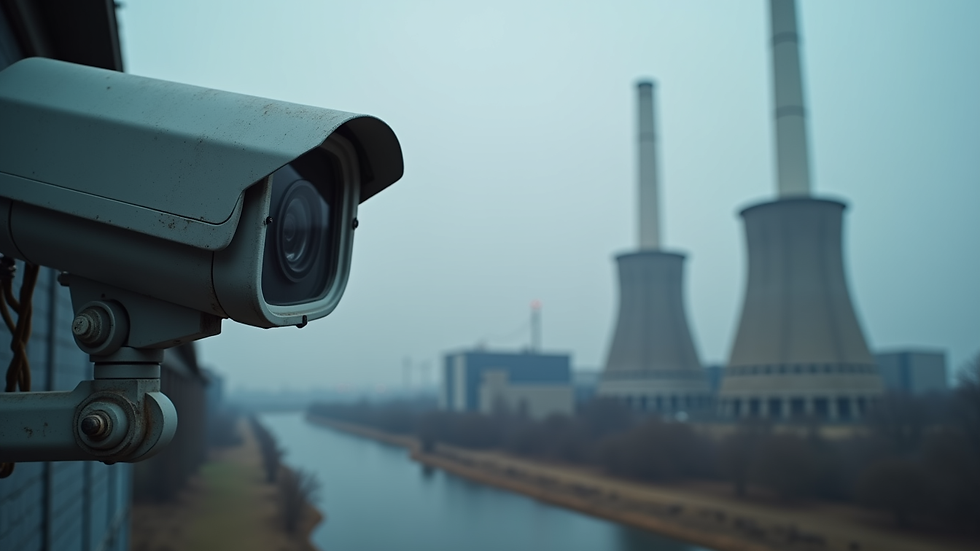
Physical security remains a fundamental aspect of protecting infrastructure. This includes controlled access points, surveillance systems, perimeter fencing, and security personnel. Advanced technologies such as biometric scanners and drone monitoring can enhance these measures.
Consider a transportation hub where controlling entry and exit points prevents unauthorized access. Combining cameras with real-time monitoring allows security teams to respond quickly to suspicious activities.
3. Cybersecurity Solutions
As infrastructure becomes increasingly digitized, cybersecurity is paramount. Protecting networks, control systems, and data from cyber threats requires firewalls, encryption, intrusion detection systems, and regular software updates.
For instance, energy grids use Supervisory Control and Data Acquisition (SCADA) systems that must be secured against hacking attempts. Implementing multi-factor authentication and continuous network monitoring helps prevent breaches.
4. Redundancy and Backup Systems
No system is immune to failure, so building redundancy is essential. This means having backup power supplies, duplicate communication lines, and alternative operational sites. Redundancy ensures that if one component fails, others can take over without interrupting service.
An example is a water treatment facility with multiple pumps and power sources, allowing it to continue functioning even if one element goes offline.
5. Emergency Response and Recovery Planning
Preparation for incidents includes developing clear emergency response plans and conducting regular drills. These plans should outline roles, communication protocols, and recovery steps to minimize downtime.
For example, after a cyberattack, a utility company might switch to manual controls while IT teams work to restore systems. Training staff to handle such scenarios is critical for swift recovery.
Integrating Technology for Smarter Protection
Technology plays a vital role in enhancing critical protection solutions. Innovations in artificial intelligence (AI), the Internet of Things (IoT), and data analytics provide new tools for monitoring and defending infrastructure.
AI and Machine Learning
AI can analyze vast amounts of data to detect anomalies and predict potential threats. Machine learning algorithms improve over time, enabling proactive responses rather than reactive ones.
For example, AI systems can monitor network traffic to identify unusual patterns that may indicate a cyberattack. Early detection allows teams to isolate affected systems before damage spreads.
IoT Sensors and Real-Time Monitoring
IoT devices collect data from physical assets, providing real-time insights into their condition. Sensors can detect temperature changes, vibrations, or unauthorized access, triggering alerts for immediate action.
In a smart grid, IoT sensors help balance energy loads and identify faults quickly, reducing the risk of outages.
Data Analytics for Decision Making
Analyzing historical and real-time data helps decision-makers understand trends and optimize protection strategies. Predictive analytics can forecast equipment failures or security breaches, allowing preemptive measures.
For instance, analyzing weather data alongside infrastructure performance can guide maintenance schedules to prevent storm-related damage.

Collaborative Approaches to Infrastructure Protection
No single entity can secure critical infrastructure alone. Collaboration among governments, private sector partners, and communities is essential for effective protection.
Public-Private Partnerships
Governments and industry partners can pool resources and expertise to develop and implement protection solutions. These partnerships facilitate information sharing, joint training exercises, and coordinated responses.
For example, a government agency might work with energy companies to establish cybersecurity standards and share threat intelligence.
International Cooperation
Infrastructure threats often cross borders, especially in the digital realm. International cooperation helps harmonize regulations, share best practices, and respond to global threats.
Agreements between countries can enable rapid assistance during emergencies, such as natural disasters or cyber incidents.
Community Engagement
Engaging local communities increases awareness and resilience. Public education campaigns and volunteer programs can support emergency preparedness and reporting of suspicious activities.
For instance, community members trained in basic emergency response can assist during infrastructure disruptions, easing the burden on official responders.
Building Resilience for the Future
As we look ahead, resilience must be at the core of all critical protection solutions. This means designing infrastructure that can adapt to changing conditions and recover quickly from disruptions.
Sustainable and Clean Energy Systems
Transitioning to clean energy sources not only reduces environmental impact but also enhances resilience. Distributed energy systems, such as solar panels and microgrids, provide localized power that is less vulnerable to centralized failures.
Advanced Manufacturing and Real Estate Integration
Incorporating resilient infrastructure into urban planning and manufacturing processes ensures that new developments are better protected. Smart buildings with integrated security and energy management systems contribute to overall infrastructure strength.
Empowering Stakeholders
Providing governments, investors, and builders with access to advanced technologies and knowledge empowers them to make informed decisions. This unlocks economic sovereignty and supports sustainable growth.
By embracing these principles, we can create infrastructure that supports thriving communities and robust economies.
Moving Forward with Confidence
Protecting critical infrastructure is a complex but achievable goal. By combining risk assessment, physical and cyber defenses, technology integration, and collaborative efforts, we can build systems that withstand threats and serve society reliably.
We encourage all stakeholders to prioritize these top solutions for critical protection solutions and invest in the future of resilient infrastructure. Together, we can unlock new opportunities and ensure the safety and prosperity of our communities.
For more detailed strategies and resources on critical infrastructure protection solutions, please visit our dedicated page.


Comments